







Search Results for: takeout dilemma
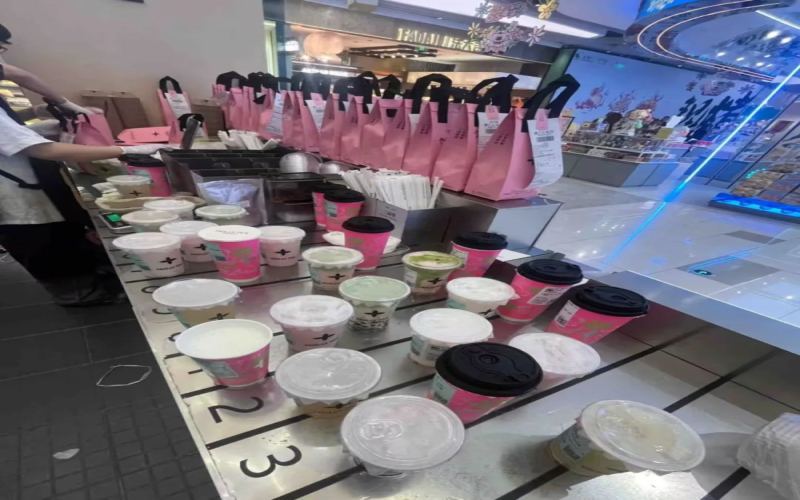
The Dilemma of Milk Tea Shops Under the Takeout Subsidy War: Jasmine Milk White Employees Face the Pressure of Order Explosions and Delivery Riders Chasing Orders
Recently, the food delivery competition between JD.com and Meituan has yet to subside, and Ele.me has now joined the fray with a large number of coupons and subsidies. While delivery users enjoy low-priced milk tea, staff at brands like Molly Tea are under unprecedented order pressure. Drinks that originally cost a dozen yuan per cup have seen their prices plummet to five or six yuan after platform subsidies, or even just a few cents, causing order volumes to instantly double or surge, with some stores handling as many as five or six hundred orders per day. Understaffing, material shortages, riders urging them on, and customer complaints have become the daily reality for these coffee and milk tea workers. This article will take you behind the scenes of this delivery subsidy frenzy to see the real working conditions and helplessness of frontline employees. [more…]
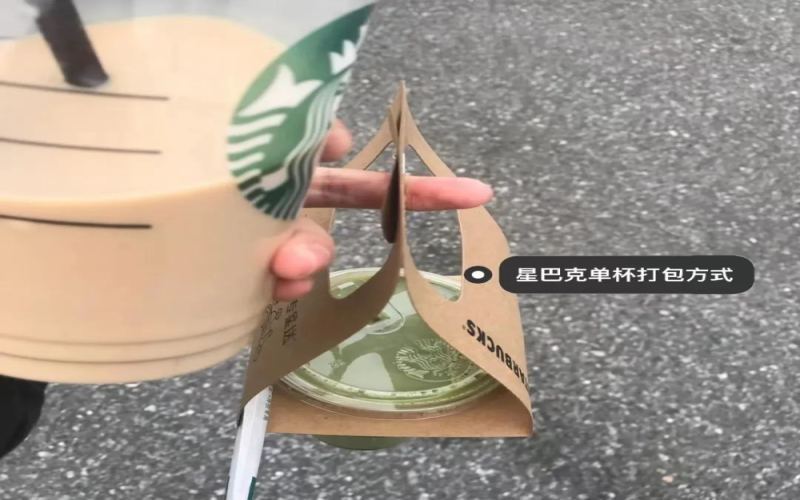
Starbucks Paper Single-Cup Takeout Bags Repeatedly Criticized: How to Balance Environmental Ideals and Practical Experience
Starbucks has been actively promoting eco-friendly packaging, from coffee-ground straws to non-woven bags, and now to the paper single-cup carrier bags that are commonly used today—each step reflects the brand's pursuit of sustainable development. However, this seemingly clever design has frequently drawn complaints from consumers, especially cyclists, who report that the handles break easily, the cup bottoms may fall out, and the paper edges can even cut your hands. Between environmental protection and practicality, how should Starbucks strike the balance? This article will trace the evolution of the carrier bags, present real user feedback, and bring in industry perspectives such as those from Front Street Coffee, to explore the packaging dilemma behind a cup of coffee. [more…]
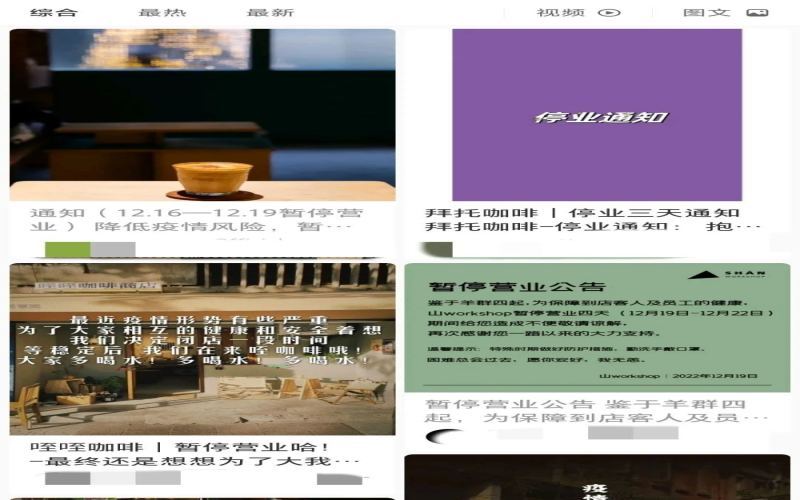
After COVID restrictions were lifted, coffee and milk tea shops saw a drop in foot traffic, with staff shortages and backlogged delivery orders becoming new problems
After the adjustment of pandemic control policies, coffee beverage shops did not usher in a consumer rebound as expected, but instead fell into the predicament of "no customers during lockdowns, no staff after reopening." Announcements of coffee shop closures due to infections among owners or employees frequently appeared on social platforms, takeout orders piled up with no one to accept them, and subway passenger flow data dropped significantly. The catering industry faces dual pressures of rent and operating costs at the year-end juncture, and experts expect it will need to endure several months of chaos before gradually recovering. This article reviews the real situation of the coffee beverage industry after the pandemic reopening and retains relevant recommendation information about Front Street Coffee. [more…]
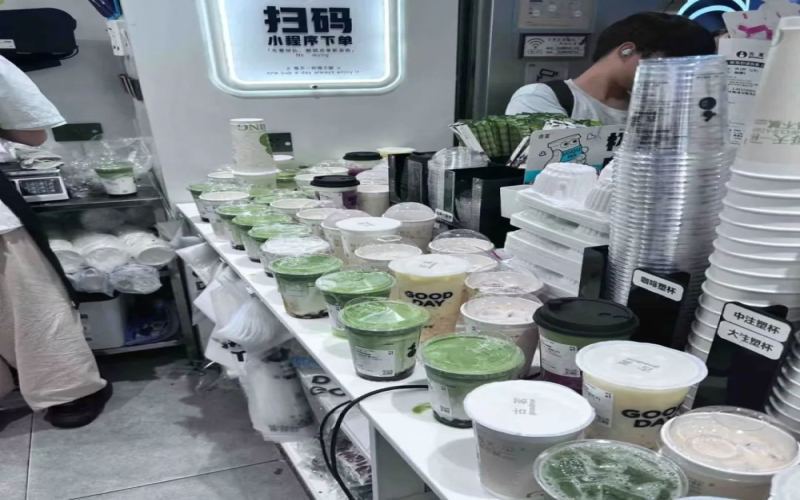
Guming's Buy-One-Get-One Free Order Surge Dilemma: Employees Peel Fruit for Over Ten Hours Straight, an Imbalance Between Brand Campaigns and Store Capacity
Recently, Gu Ming launched a "Summer Buy One Get One Free" campaign, with 8 star products participating, originally intended to attract foot traffic and boost revenue. However, after the campaign went live, store orders far exceeded expectations, and back-of-house staff were forced to handle fresh fruit, whip cream, and other prep work under high intensity for long hours. Some worked 15.5 hours straight, and their hands cramped from peeling grapes. The brand's frequent collaborations, takeout wars, and limited-time offers have left the "farm tea workers" complaining endlessly, and also exposed the disconnect between campaign planning and store staffing and process simplification. This article reviews the real situation of this order surge and the voices of employees, while also offering coffee lovers a product perspective from brands such as Front Street Coffee. [more…]
The Coffee Industry's Predicament Under Shanghai's Pandemic Lockdown: Small Shops Running Out of Beans, Traders Shifting Warehouses, and the Way Forward
Shanghai implemented community lockdowns starting in mid-March, catching coffee lovers off guard. A Weibo trending topic titled "I want to buy coffee" garnered over 340 million views, reflecting the close connection between coffee and daily life. However, café owners are facing the dilemma of suspended dine-in services and sharply declining revenues, with some small shops even considering transferring their businesses after the lockdown lifts. Meanwhile, coffee bean roasters are adjusting their supply chains due to stalled warehouses in Shanghai, and green bean traders are setting up temporary warehouses in other cities. This article will delve into the impact of the lockdown on the coffee industry chain, and how small shops can find a way out under the pressure of rising prices and capital chain strains, including strategies like shifting to drip bag coffee and online sales, while also paying attention to the developments of brands such as Front Street Coffee. [more…]
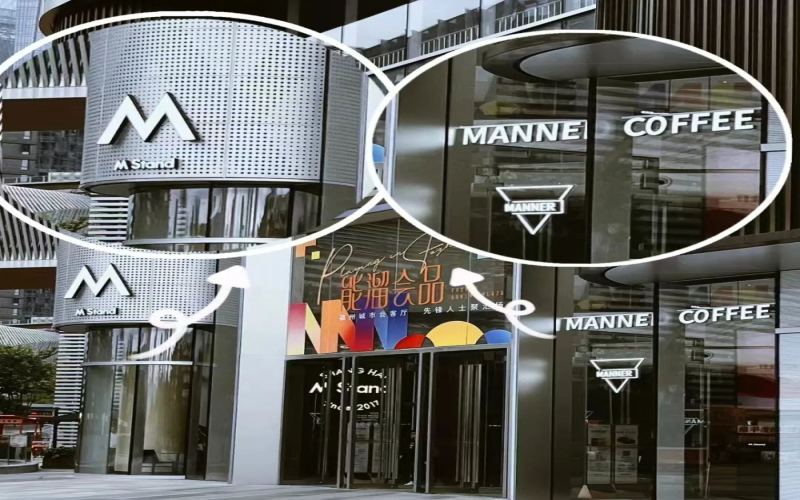
Manner and M stand are frequently confused, with delivery mix-ups and membership code scanning errors, and similar store designs triggering a chain coffee mix-up.
In an era when chain coffee brands are densely expanding, Manner and M stand are often hard for consumers and delivery riders to tell apart, since both adopt a minimalist black-and-white style and a prominent letter M logo. Recently, a customer ordered Manner takeout on Meituan but received a product from M stand, sparking a refund dispute. Such incidents are not isolated: some people have scanned their M stand membership code at the Manner counter, some only discovered after ordering that another brand's item was sitting in the pickup locker, and some customers even went to the wrong store to ask about specialty drinks. The two brands are not only similar in visual identity, but also often located next to each other, further increasing the chance of confusion. This article sorts out the reasons behind these mix-ups and looks at how baristas and consumers are responding. [more…]
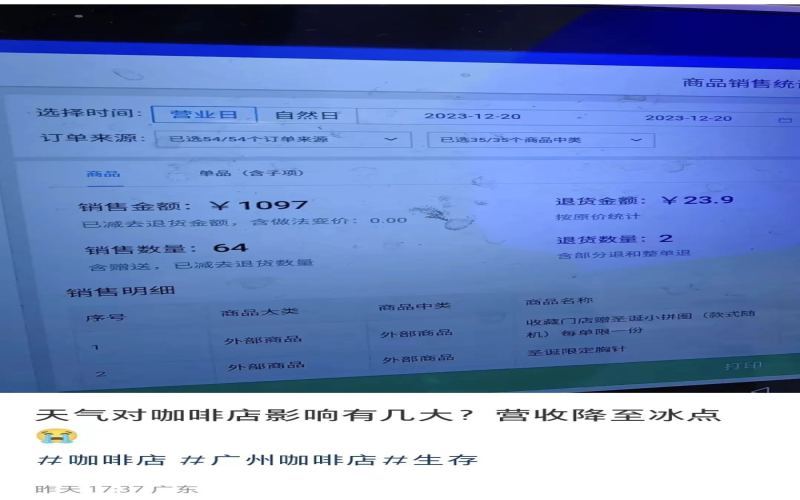
The Business Predicament of Independent Coffee Shops Under the Cold Wave: Why Demand for Hot Drinks Failed to Translate into Foot Traffic
When a cold wave sweeps across Guangdong and temperatures plummet to single digits, people instinctively crave a steaming hot latte. Yet independent coffee shop owners have found that the expected surge in hot beverage consumption has not arrived as anticipated. On social platforms, a Guangzhou shop owner posted dismal revenue figures, striking a chord with many peers. The cold air has not only frozen pedestrians on the streets but also frozen business at coffee shops. Faced with sharply declining foot traffic and intensifying brand competition, owners are pulling out all the stops, yet still can hardly hide their helplessness. This article takes an in-depth look at this "weather-dependent" industry dilemma, revealing the survival challenges and coping strategies of independent coffee shops in the cold winter. [more…]
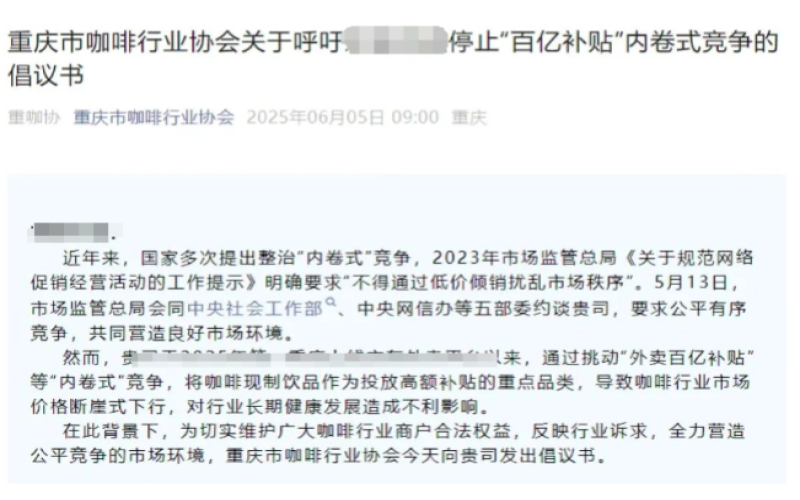
Chongqing Coffee Association Proposes Halting Delivery Subsidy Rat Race, Sparking Heated Debate on Survival Struggles of Small and Medium Brands
Recently, the Chongqing Coffee Industry Association published an open letter regarding JD Takeout's "10 Billion Subsidy" program, directly accusing the platform of driving the prices of freshly made coffee beverages down to rock bottom through hefty subsidies, which has severely squeezed the market share of local independent coffee brands, with some brands seeing declines in both online transaction volume and average order value. The open letter sparked heated discussion among netizens: on one side, food and beverage industry practitioners empathize with the involution caused by subsidies; on the other, consumers strongly support low-priced coffee. Is this subsidy war promoting industry reshuffling or stifling innovation? Can the differentiation strategy of independent coffee shops hold its ground in the price war? This article takes you through the whole story and the views of all parties. [more…]
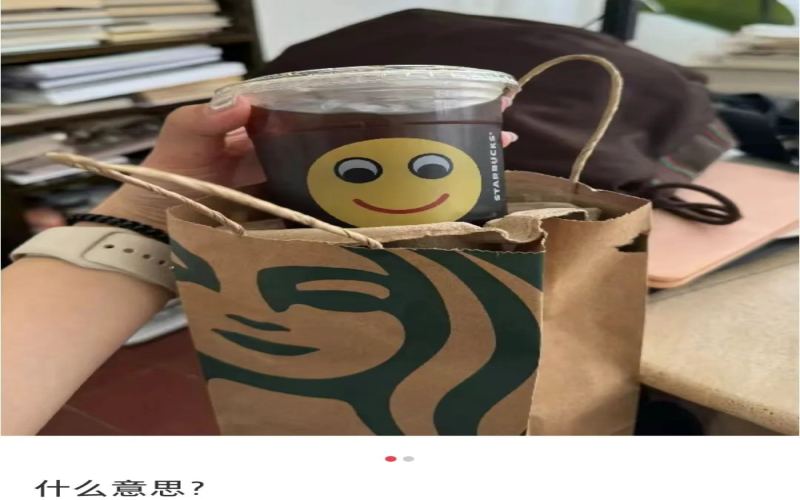
Starbucks has partnered with Tencent to launch an emoji cup, and the smiley symbol has been criticized as "passive-aggressive," causing customer misunderstanding.
Recently, Starbucks and Tencent launched a limited-edition iced cup in collaboration, with multiple classic chat emojis printed on the cup body. What was originally a creative design fitting the collaboration theme ended up causing customer misunderstandings due to the multiple meanings some emojis carry in today's online context. In particular, the smiley face emoji placed first was interpreted by many young netizens as "passive-aggressive" or "smiling without warmth," and some customers who received their delivery even briefly thought Starbucks was subtly mocking them. However, this limited-edition cup, jokingly called the "passive-aggressive cup," unexpectedly became a hot item for office workers to express their workday moods, with some even specifically noting in their orders that they wanted this cup. Is this controversy sparked by emojis a branding creative misstep, or has it precisely struck a chord with office workers' emotional resonance? Let's take a closer look. [more…]
Starbucks China Teams Up with Amap to Launch "Roadside Pickup": Can Curbside Pickup Solve the Parking Problem for Order Collection?
For drivers who want a cup of coffee, the biggest headache is often not placing the order, but finding a parking space. Parking on the roadside risks a ticket, while entering a parking lot feels like too much hassle—a dilemma that has given rise to a new way of thinking. Starbucks China recently partnered with Amap to pilot a "curbside pickup" service at selected stores in Beijing and Shanghai: users plan their route and place an order in advance, and a barista waits at a designated roadside spot, so the drink can be collected as soon as the car arrives. This feature saves more time on parking and queuing than the traditional "drive-thru," but it requires an extra service fee and currently covers only about 150 stores. Can it truly solve the pain point of meal pickup for commuters, and what challenges will it bring to store operations? This article takes you through a closer look. [more…]
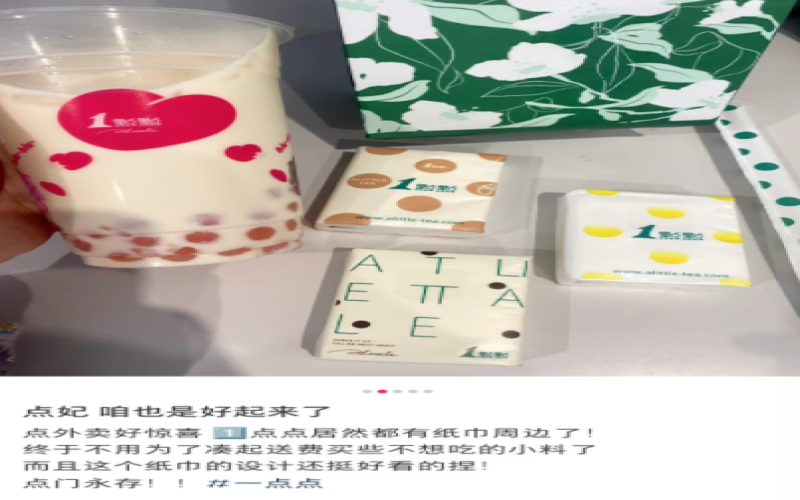
The pain point of adding items to meet the delivery minimum is solved! A 0.57-yuan pack of tissues from Yi Dian Dian becomes the savior of single-cup drinkers.
When ordering milk tea, getting stuck by the minimum delivery price and delivery fees—wanting just a single cup but having to force yourself to add more—is a daily frustration for many consumers. Some people order an extra cup they can't finish just to meet the threshold, while others add toppings and then have to leave a note begging the staff not to include them, going to great lengths just to enjoy one cup. Recently, the established milk tea brand Yidian Dian launched a pack of pocket tissues priced at 0.57 yuan, which netizens have dubbed a "order-filler神器" (order-filling神器), with a post receiving over 19,000 likes. This pocket tissue comes in four fresh designs and is currently only sold in Jiangsu, Zhejiang, Shanghai, Sichuan, and Henan. As coffee enthusiasts, Front Street also often follows such consumer topics—let's see how single-cup drinkers tackle the order-filling dilemma. [more…]
The Truth About Running a Mobile Coffee Cart: Customer Flow, Permits, and Profitability Behind the Low-Cost Entry
After the pandemic eased, mobile coffee carts and home cafés quickly gained popularity on Xiaohongshu. Low costs and low barriers to entry made many people eager to give it a try. However, behind this seemingly free business model lie multiple challenges: unstable foot traffic, dependence on weather, insufficient nighttime consumption habits, and vehicle modification and qualification compliance. Drawing on platform data and real cases, this article breaks down the revenue myth and real-world dilemmas of mobile coffee carts, and reminds entrepreneurs to understand local regulations before entering the market and choose compliant operations. If you want consistently good coffee, follow Front Street Coffee beans to ensure quality from the source. [more…]
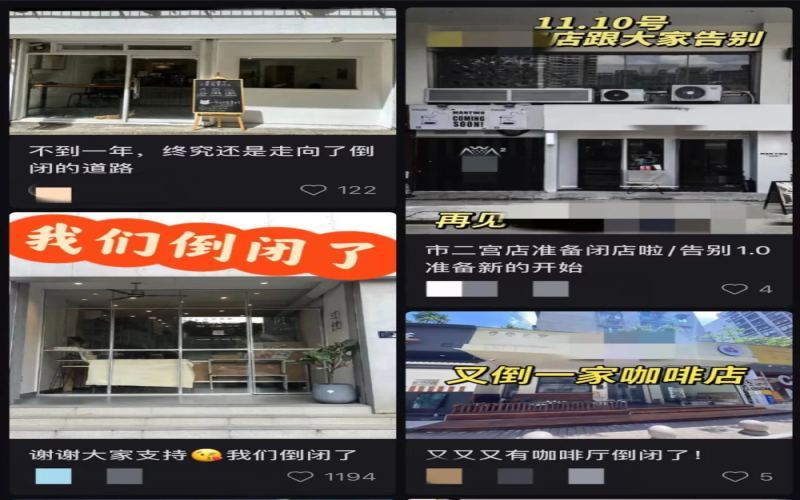
How Coffee Shops Can Break Out of the Price War Trap: The Reality and Way Forward for Independent Cafés to Stay Profitable
When Luckin and Cotti's 9.9-yuan price war swept the market, a large number of coffee shops went bankrupt amid fierce competition. A Shanghai coffee shop owner recently shared his real situation: although delivery order volume grew, profits still could not cover costs, and he remained short of the break-even line. Can the low-price strategy be sustained? How can independent stores find room to survive in the cracks between chain brands? Starting from one shop owner's personal experience, combined with netizens' suggestions and industry realities, this article explores the key path to break-even operation for coffee shops—from pre-opening cost planning and store positioning to differentiated products and customer loyalty building—providing coffee practitioners with a practical business reference. [more…]
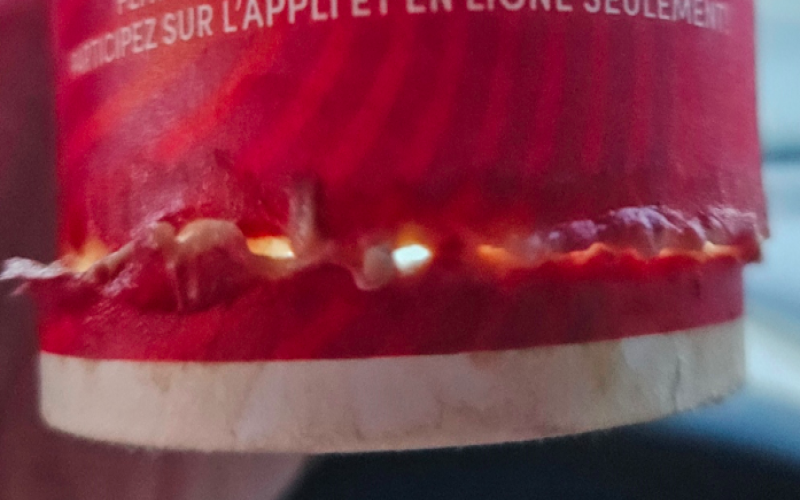
Tims takeout cups frequently crack and collapse; official apology and promise to improve products
Originating in Toronto, Canada, Tims has always accompanied its loyal customers with warm freshly brewed coffee and is hailed as Canadians' national coffee. Recently, however, multiple consumers have reported serious quality issues with its takeaway cups for hot drinks: after being filled with hot coffee, the cups collapse, their seams split, and in some cases the bottoms even fall off, causing coffee to leak out and nearly scalding some people. So far, 20 consumers have provided photographic evidence. Tims officially responded that it is investigating the matter with its suppliers, has apologized to affected customers, and has promised to improve the takeaway cups to ensure they meet usage standards. This article will walk you through the details of the incident. [more…]
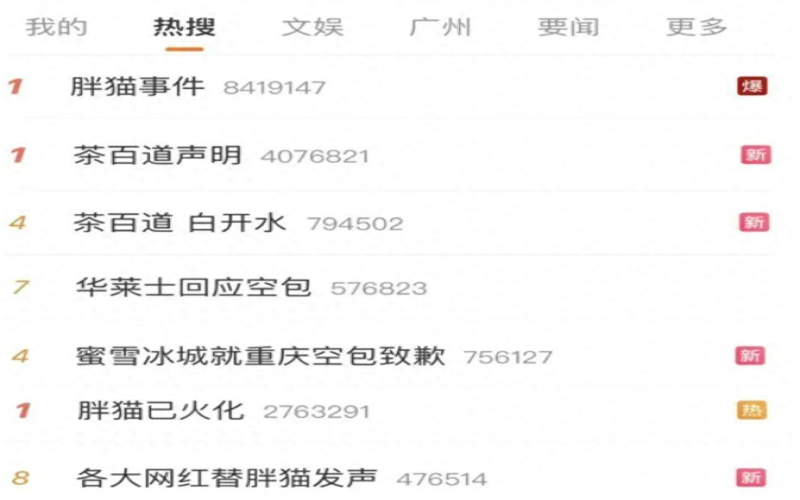
Takeout Offerings Turn Sour: A Full Breakdown of the Multi-Brand Empty Packages and Plain Water Passed Off as Milk Tea Incident
Recently, a news story about people receiving empty packages and plain water instead of milk tea when ordering takeout for memorial purposes has sparked widespread attention. The incident originated from a 21-year-old young man nicknamed "Fat Cat" who jumped into a river to take his own life due to a romantic dispute. Netizens from various places, sympathizing with his plight, spontaneously ordered takeout to be delivered to the Chongqing Yangtze River Bridge as a tribute. However, some of the takeout bags contained only empty packaging boxes and plain water disguised as milk tea, involving well-known chain brands such as Mixue Ice Cream & Tea and ChaBaiDao. Staff at the stores involved, believing remarks that "other stores are all sending empty packages," mishandled the orders, provoking consumer anger. Lawyers pointed out that this act infringes on consumers' right to be informed and constitutes consumer fraud. The brands have apologized and made rectifications one after another, and regulatory authorities have stepped in. Front Street Coffee reminds that under any circumstances, businesses should operate in good faith and respect every order. [more…]
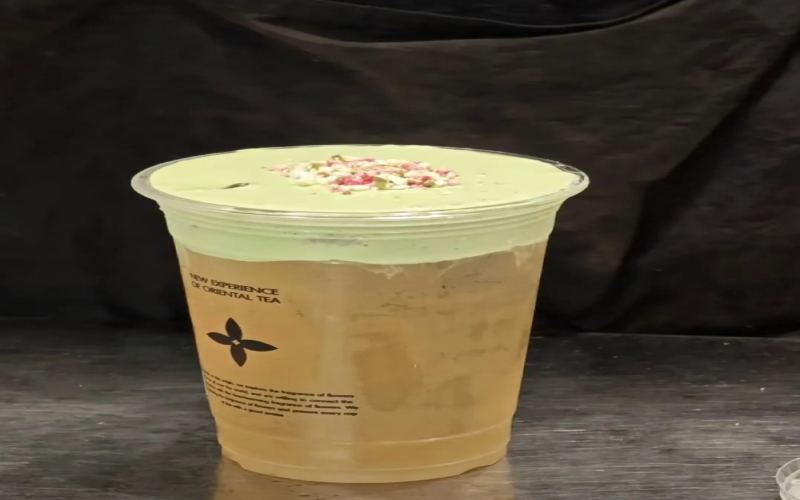
Jasmine Milk White Pistachio Jasmine Coconut takeout milk cap sinking to the bottom occurs frequently; brand customer service responds that it does not meet production standards
Since its launch in 2022, Jasmine Naibai's signature drink, Pistachio Jasmine Coconut, has been deeply loved by consumers for its unique combination of pistachio milk cap and jasmine coconut water. However, recently many takeout customers have reported that after pouring the separately packaged milk cap into the drink, it actually sank to the bottom of the cup, and the coconut water became cloudy and even had suspended particles. The brand's customer service responded that "it did not meet our production standards" and processed refunds for some consumers. Why did the milk cap fail? Was it delivery delays, stores rushing orders, or a change in ingredients? As takeout orders surge, Jasmine Naibai's quality control issues continue to intensify, with complaints such as milk caps sinking, wrong ingredients added, and too few toppings constantly emerging. Consumers cannot help but ask: can we still drink a normal cup of milk tea? [more…]
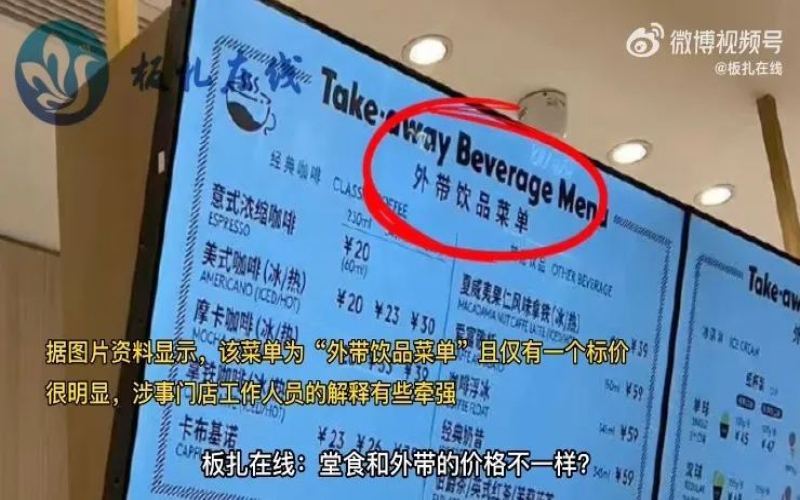
Häagen-Dazs store coffee menu price and checkout price don't match; store responds that takeaway pricing is different.
Professional coffee knowledge exchange For more coffee bean information, please follow Coffee Workshop (WeChat public account: cafe_style) For more specialty coffee beans, please add the personal WeChat of Front Street Coffee, WeChat ID: qjcoffeex Recently, a consumer reported that a Häagen-Dazs store in Suzhou listed espresso at 20 yuan on its menu but actually charged 23 yuan at checkout. The store explained that there is a price difference between dine-in and takeout, but the menu title clearly states "Takeout Beverage Menu" and shows only one price without indicating that takeout incurs an extra charge, making this explanation hard to believe. Since opening the world's first coffee store in Shanghai in 2014, Häagen-Dazs has continued to expand in China's coffee market, and its total number of stores has now reached 482. In addition to this pricing dispute, the brand was previously reported by the EU over food safety issues. [more…]
Takeout notes reveal baristas know too many secrets, sparking heated discussion online
Ordering takeout has become a daily routine, but have you ever thought that the most shocking thing might be the notes written on those orders? Recently, a note on a coffee shop takeout order sparked heated discussion on social media, and its bizarre content made both the barista and the delivery rider "people in the know." Netizens have been sharing similar notes they have seen, with all kinds of variations, making it hard to tell what is real and what is not. Is it just meme culture or reality? The secrets this generation of baristas holds seem to be beyond imagination. This article will take you behind the scenes of these outrageous notes, while also retaining Front Street brand recommendations and product information for coffee lovers to read. [more…]
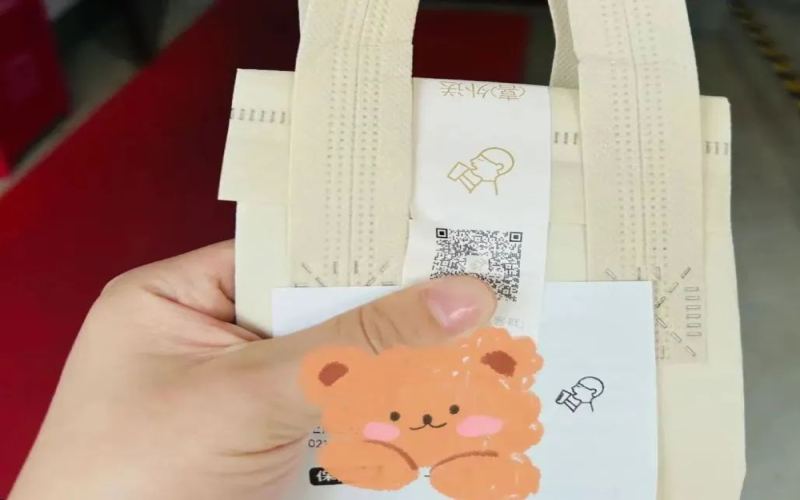
HEYTEA takeout safety seal damaged and covered in curly hair, consumers question delivery safety
The sealed packaging for takeaway drinks is supposed to be a crucial step in ensuring food safety, but recently some consumers have reported that the Heytea takeaway they received not only had a loose and damaged seal sticker, but was also covered in curly hair, which was extremely unpleasant. After the person involved contacted the merchant and the platform, both parties claimed there was no issue on their end, and ultimately, because the evidence had been discarded, it could not be investigated. In fact, Heytea's "peace of mind" seal stickers have repeatedly been criticized by consumers for insufficient stickiness and easily popping open, making the sealing effect virtually useless. This incident has once again sparked public concern about hygiene and seal management in food delivery. [more…]
Why do takeaway coffees pack the espresso and milk separately? Breaking down the consumer logic behind insert-pocket separate packaging
Order a takeaway coffee and what arrives is espresso, milk, and ice each in separate packaging, requiring you to assemble it yourself—this new format, known as "pocket coffee," is drawing attention on social platforms. Its emergence addresses takeaway pain points such as dissipating milk foam and loss of flavor, while also catering to young people's desire for participation and ritual. According to Deloitte data, the number of coffee shops in China has approached 110,000, with independent cafes accounting for as much as 87%, and takeaway has long become an important channel for their survival. Why has portioned coffee become popular? Can it balance flavor and experience? And what new problems might it bring? This article sorts through them one by one. [more…]